Sales automation is hurting sales, and you can see the damage in your inbox

Table of Contents
- The Graymail Economy Report 2026
- Table of Contents
- 1) Email automation created thousands of identical pitches, and your brain learned to ignore them
- 2) Overreliance on metrics turned selling into performance theater
- 3) AI-generated emails made writing cheaper, which made trust more expensive
- 4) Mass-mailed photos and videos were creative for five minutes, then automation diluted them
- 5) Fake comments and automated LinkedIn engagement poison the relationship layer
- 6) AI SDR volume is hurting email deliverability for everyone, including good reps
- 7) Over-personalization crossed the line from relevant to creepy
- 8) Email sequences are out of control, and at some point, they become harassment
- The real problem is an attention economy without guardrails
- What actually works now, for senders and for receivers
- Why Paciva feels like the solution you have been waiting for
You do not need a trend report to know something broke. You can feel it every time you open your inbox, scan LinkedIn, and watch a “quick question” arrive from someone who clearly asked a machine to pretend they care about your time.
Sales automation did not start as a bad idea, and that nuance matters because the fix is not a dramatic return to 1998. Automation helped reps handle real work that nobody enjoys, like logging activities, routing leads, and keeping a pipeline from turning into a graveyard of forgotten follow ups. What changed is that automation escaped the building and moved from internal efficiency into customer facing volume, then AI showed up and turned the volume knob until it snapped off in someone’s hand.
If you sell for a living, you see the outcome as falling response rates, rising spam complaints, and deliverability problems that look like “the market got tough” when the truth is closer to “buyers got tired.” If you lead a team, you see it as higher activity with weaker results, which is the worst combo because it feels like progress while it quietly burns your brand. If you buy, you see it as constant interruption, decision fatigue, and the creeping sense that your attention is treated like a public resource.
The 1up team laid out this reality clearly by naming eight specific ways sales automation hurts sales, from identical email pitches to out-of-control sequences and AI-driven deliverability decay. Paciva agrees with the diagnosis, but we want to push it one step further: the real damage is not only lower reply rates, it is the loss of trust in the channel itself, and once a channel feels unsafe or exhausting, buyers stop engaging even when the message is relevant.
1) Email automation created thousands of identical pitches, and your brain learned to ignore them
The first problem is simple and almost boring, which is exactly why it works so well against sellers. Automated outreach converged on a shared language. Subject lines repeat across industries. Openers follow the same structure. The ask arrives too early, and it often arrives with a calendar link that assumes the buyer owes a meeting as payment for reading.
Buyers learned to pattern match because pattern matching protects time. The moment an email looks like a template, your brain files it under “sequence,” and your finger does what it has been trained to do. Delete, archive, spam, or ignore. 1up calls out this sameness directly, including how low effort “personalization” still produces messages that read like copies of copies.
Here is the part sellers do not want to hear: you cannot out clever a buyer’s filter with a new subject line trick, because the buyer is not evaluating cleverness, they are evaluating whether this message deserves attention.
2) Overreliance on metrics turned selling into performance theater
The second problem hides behind dashboards that look impressive in QBRs. Teams chase opens, clicks, and views, then they confuse those signals with intent. 1up makes the point bluntly, noting that repeated “opens” often come from security systems scanning the message, not from a human leaning in to read.
This gets worse as email privacy and security tooling evolves. Independent deliverability and email analytics firms have documented that tracking pixels fire without a true open, especially given modern email privacy practices, which inflates open rates and makes the metric less reliable for decision-making.
When your operating model treats “activity” as the goal, automation becomes the easiest way to generate the appearance of progress. The buyer experiences that as spam. You experience that as “we sent 20 percent more last week,” followed by “why did replies drop again?”
3) AI-generated emails made writing cheaper, which made trust more expensive
AI-generated emails are not “bad” because a machine wrote them. They fail because most teams use AI to increase throughput rather than improve relevance, and buyers can smell the output because it often sounds long, generic, and oddly formal. 1up describes the same effect, noting that AI messages can start to feel identical once everyone deploys them.
The deeper issue is economic. AI lowered the cost of sending, so the send volume rose. When send volume rises, buyers build stronger filters, and mailbox providers tighten enforcement. That combination punishes even teams that are being thoughtful, because they now operate within a channel with less trust.
4) Mass-mailed photos and videos were creative for five minutes, then automation diluted them
Video outreach and photo stunts started as a genuine attempt to stand out. A short hello can feel warm when it is real. A quick Loom can help when it solves a specific problem. Then automation arrived, and mass-produced the tactic, and suddenly the buyer’s inbox contains ten “personal” videos that feel anything but personal.
1up points out this pattern directly, noting that a tactic feels novel until automators scale it, making it another flavor of spam.
The lesson is not “never use video.” The lesson is that novelty dies quickly, and when your strategy depends on it, it expires on a schedule you do not control.
5) Fake comments and automated LinkedIn engagement poison the relationship layer
LinkedIn still matters because relationships still matter, and relationships often start in public conversations before they move into DMs, calls, and deals. Automation turns those conversations into noise. Generic AI comments stack under posts. Connection requests arrive in waves. DMs pitch before context exists.
1up calls out fake comments and the signal-to-noise collapse that follows, and the warning is simple: when comments become unreadable, relationship formation suffers.
LinkedIn also fights automated activity and scraping with real enforcement pressure, which has only intensified as AI tools make automation easier to deploy. Even in litigation history on scraping, courts have cited LinkedIn’s own terms that restrict automated access and scraping, underscoring how seriously the platform frames the issue.
So if your growth model depends on automation that risks account restrictions, you are not scaling a channel. You are renting one while ignoring the landlord.
6) AI SDR volume is hurting email deliverability for everyone, including good reps
This is the failure mode most leaders underestimate because the pain shows up later and looks like “bad timing” or “market headwinds.” When AI SDRs and high-volume sequences flood inboxes, providers respond by implementing tighter spam-reduction systems. 1up describes the second-order effect clearly: more noise makes recipients more cautious, which makes authentic emails easier to miss, which hurts humans trying to do real work.
Mailbox providers also published clearer rules for high-volume senders. Google, for example, outlines authentication and compliance expectations, including SPF, DKIM, and DMARC for bulk senders, because authentication helps reduce spoofing and improve deliverability.
This is not “email got harder.” This is “email became less forgiving,” largely because too many senders treated it like a free broadcast channel.
7) Over-personalization crossed the line from relevant to creepy
Personalization should answer one question: “Why you, why now, and why this problem?” Instead, many teams use automation to scrape trivia and sprinkle it into outreach like seasoning. That is how you get emails that mention a vacation photo, a dog, a band, or a random hobby as if that creates business context.
1up calls this out as a clear misstep, especially when reps dig through social feeds to find something to relate to that has nothing to do with solving a prospect’s actual problem.
Buyers do not want you to know more about their lives. They want you to understand their constraints, their goals, and their risk. The fastest way to lose trust is to sound like you have been watching someone through the blinds.
8) Email sequences are out of control, and at some point, they become harassment
Sequences can be useful when they support respectful follow-up. They become destructive when they keep hitting unengaged people with escalating urgency and a calendar link that never gets earned.
1up notes that complex sequences lead to repeated follow-ups, increased annoyance, and negative interactions, and reminds readers that mass mailing has legal guardrails for a reason. In the US, the FTC’s CAN-SPAM guidance explains that commercial email is subject to rules and gives recipients the right to stop future messages, which should inform how teams design outreach and handle opt-outs.
The practical point is not “fear the law.” It is “respect the human,” because the human now has more tools, more filters, and less patience.
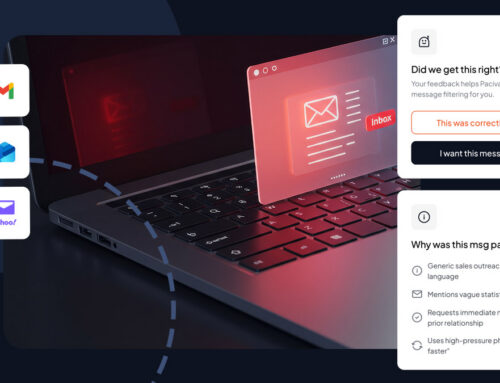
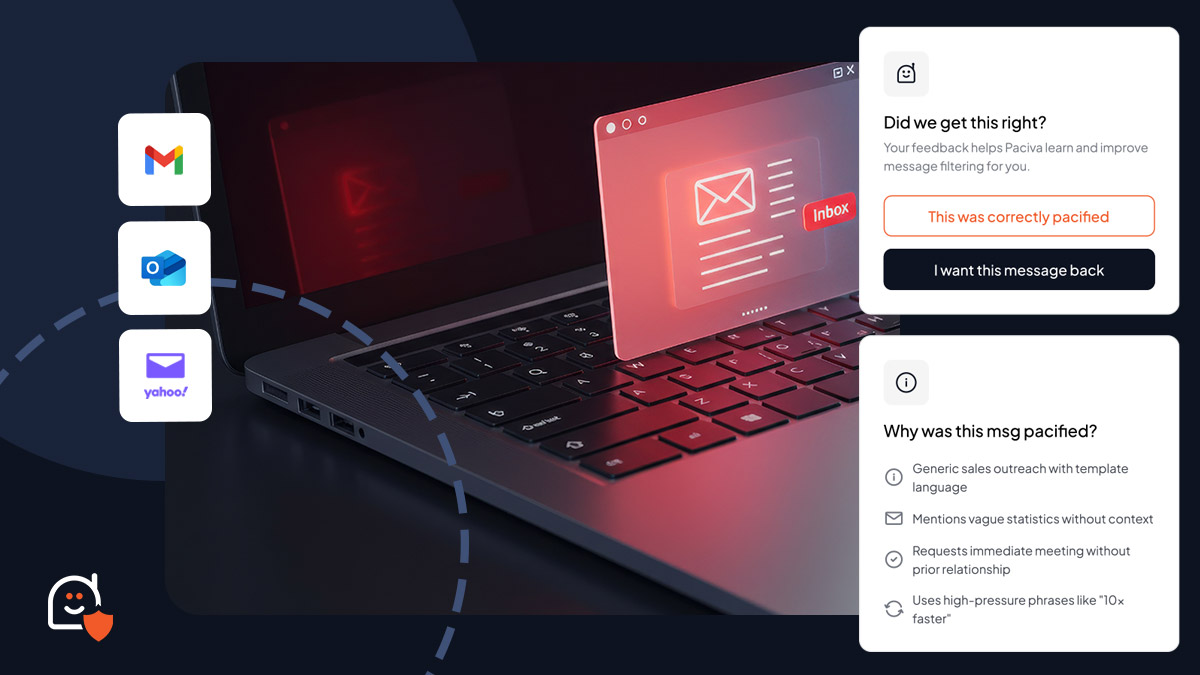 Sales automation helped reps move faster, then it flooded inboxes and crushed trust. Here are eight ways it now hurts pipeline, deliverability, and brand, plus fixes.
 Sales automation helped reps move faster, then it flooded inboxes and crushed trust. Here are eight ways it now hurts pipeline, deliverability, and brand, plus fixes.
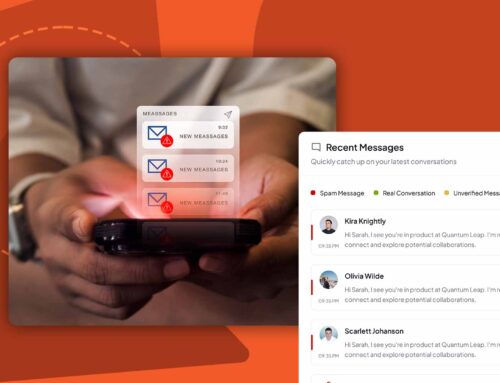
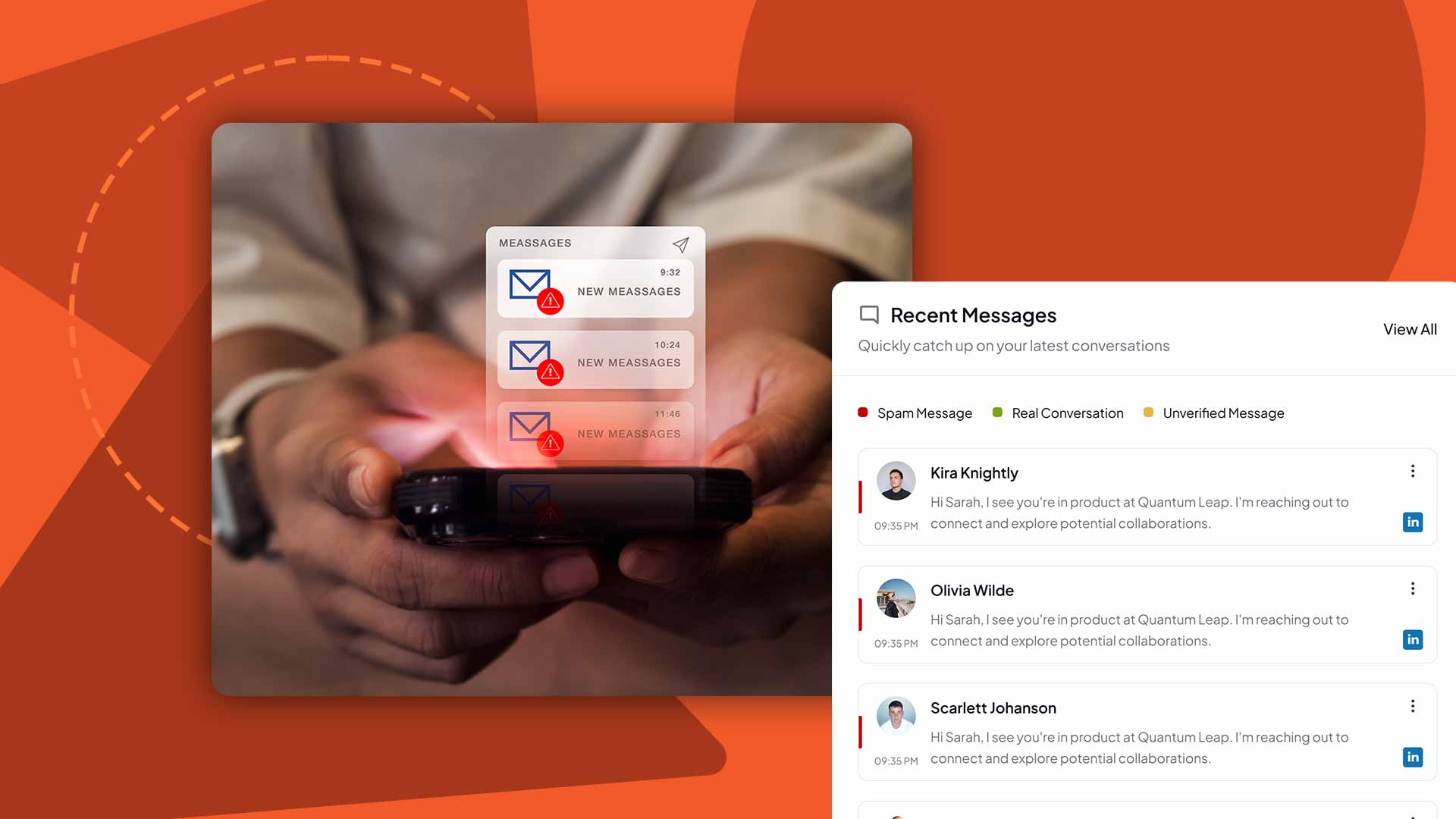 Cold outreach automation keeps escalating as tools get cheaper and smarter. Learn why inbox noise grows, spot it fast, and protect real signal for the long run.